Paediatric Care

Specialist, integrated care for babies, children and teens.

A Clinic Built on Family Care
Founded in 2006, The Family Practice has supported Bristol families for nearly two decades.

Paediatric osteopathy is not an occasional service here - it is embedded within our identity as a family-centred clinic. Many of our practitioners are parents themselves, combining professional expertise with lived understanding.

We value continuity, trust and long-term relationships as children grow from infancy into adolescence.

Paediatric Osteopathy

At The Family Practice paediatric osteopathy is a core part of our clinical work.

Childhood is a period of rapid growth, neurological development and physical change. Movement, sleep, digestion, emotional regulation and behaviour are closely interconnected - particularly in the early years.

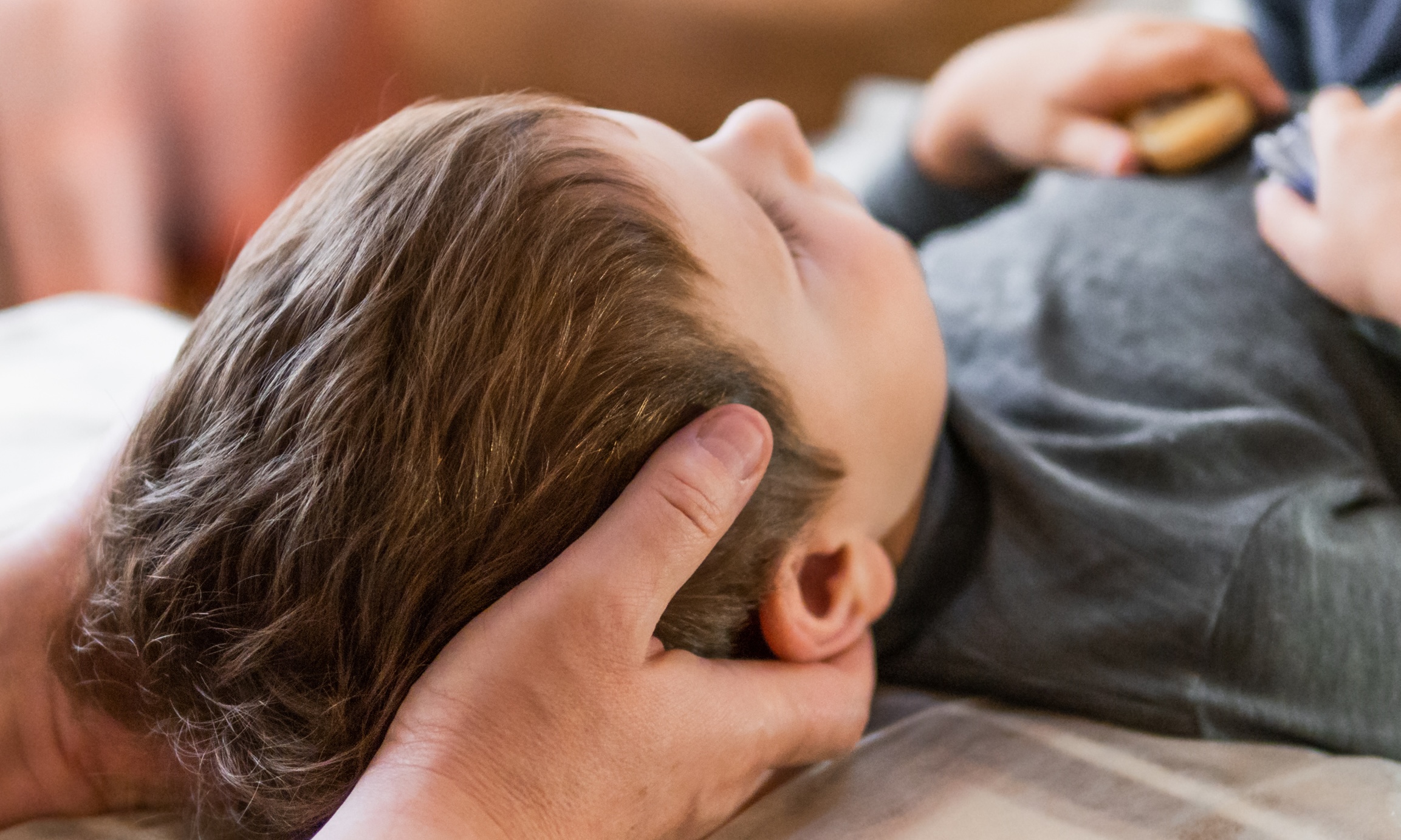
We provide specialist, developmentally-informed osteopathic care within an experienced multidisciplinary clinic - supporting children from infancy through adolescence with calm, skilled and thoughtful treatment.

A Whole-Child Approach
Children are not small adults.

Their nervous systems are still organising.

Their joints and connective tissues are adapting rapidly.
 Their movement patterns are evolving month by month.
Symptoms rarely sit in isolation.
Physical discomfort may influence sleep.
Digestive tension may affect behaviour.
Emotional stress can show up in posture, headaches or muscular tension.

We take time to understand the full picture.
Assessment considers your child’s development, lifestyle, family context and nervous system regulation - not just the presenting symptom.

Who We Support
We care for babies, toddlers, school-aged children and teenagers experiencing:

• Feeding difficulties and unsettled behaviour in infancy
• Torticollis and positional preferences
• Reflux, digestive discomfort and constipation
• Sleep disturbance
• Postural tension and coordination concerns
• Sports injuries and recovery from minor trauma
• Growing pains and musculoskeletal discomfort
• Headaches
• Anxiety-related physical tension

Each child receives a thorough, age-appropriate assessment and a personalised plan.
Treatment is always gentle and adapted to their stage of growth.

How Paediatric Osteopathy Helps
Paediatric osteopathy applies whole-body osteopathic principles in a way that is specific to infants and children.

Treatment may support:

• Reduced physical tension
• Improved comfort and movement
• Calmer nervous system regulation
• More settled sleep
• Improved digestive comfort
• Postural balance during growth phases

Our aim is not simply to reduce symptoms, but to help children feel more comfortable, capable and at ease in their bodies as they grow.

What to Expect at Your Child’s First Appointment
The first appointment begins with listening - to you and to your child.

We explore:
• Pregnancy, birth and early development (where relevant)
• Milestones and movement patterns
• Sleep, feeding and digestive patterns
• School, sport and emotional demands

We explain our findings clearly and, where appropriate, begin gentle treatment during the same visit.
You will leave with practical, reassuring guidance to support your child at home.

Integrated Support for Children & Young People
Some children benefit from more than one approach.
Paediatric osteopathy at The Family Practice sits within a wider team of specialist therapists who support children and families in a joined-up, thoughtful way.

Where appropriate, care may be coordinated with:

• Nutritional therapy to support digestion, energy, immunity and growth
• Homeopathy for gentle, individualised care
• Child and adolescent psychology for emotional regulation, anxiety or behavioural challenges
• Abdominal therapy massage where digestive tension or abdominal discomfort is contributing to symptoms
• Counselling for children and parents navigating change or stress
• Solution-Focused Hypnotherapy and Coaching to support confidence, resilience and nervous system regulation

This integrated structure allows us to look beyond isolated symptoms and consider the whole child — physically, emotionally and developmentally.

Families often tell us how reassuring it feels to have everything under one roof, with practitioners who communicate and collaborate when needed.

Frequently asked Questions

Is paediatric osteopathy safe for babies?

Yes. Paediatric osteopathy is safe when delivered by a fully qualified, General Osteopathic Council (GOsC) registered osteopath with additional postgraduate paediatric training. Treatment for babies uses gentle, precise techniques adapted to infant anatomy and nervous system development.
At The Family Practice in Bristol, babies are carefully assessed before treatment begins. Techniques are subtle, responsive and always guided by your baby’s comfort.

Can a paediatric osteopath help a crying baby in Bristol?

Yes. A registered paediatric osteopath in Bristol may help a persistently crying or unsettled baby by identifying and treating physical tension affecting feeding, digestion, sleep and nervous system regulation. Common contributing factors include neck restriction, diaphragm tension and birth-related strain patterns.
At The Family Practice, we regularly assess babies who:
Cry for prolonged periods without clear medical explanation
Arch or pull off during feeds
Struggle to settle despite feeding and winding
Show strong head-turn preference
Sleep only when upright
Crying is communication. Our role is to assess whether musculoskeletal tension may be contributing.
If you are exhausted and unsure where to turn, we understand. Early assessment can provide reassurance, clarity and, where appropriate, gentle treatment.

Can osteopathy help an unsettled baby?

Paediatric osteopathy may help unsettled babies by reducing physical tension that interferes with feeding, digestion and sleep. A thorough assessment includes neck mobility, cranial balance, diaphragm function and birth history to identify contributing factors.
Many families report improvements in comfort and settling following treatment.

Can osteopathy help with reflux in babies?

Osteopathy does not cure medical reflux. However, paediatric osteopathy may help improve comfort in babies with reflux by addressing diaphragm restriction, spinal mobility and abdominal tension that can influence digestive function.
We work alongside GPs and health visitors to ensure integrated and appropriate care.

Can osteopathy help colic?

Paediatric osteopathy may help babies with colic-like symptoms by reducing musculoskeletal tension and supporting nervous system regulation. Treatment focuses on the diaphragm, abdomen, spine and cranial mobility.
While colic has multiple causes, improving physical comfort can support settling in some infants.

Can osteopathy help with tongue-tie and feeding difficulties?

Osteopathy does not diagnose or perform tongue-tie division. However, paediatric osteopaths assess and treat jaw, neck and cranial tension that may affect latch and feeding mechanics.
We frequently support babies before and after tongue-tie release and collaborate with lactation consultants and midwives in Bristol. Feeding should not be persistently painful, and early support can make a meaningful difference.

Can osteopathy help mothers experiencing breast pain or mastitis?

Osteopathy does not replace medical treatment for mastitis. However, gentle osteopathic treatment may help relieve musculoskeletal tension and support lymphatic drainage associated with feeding strain.
If infection is suspected, medical review is essential. We work alongside appropriate medical care and can coordinate support within our wider Women’s Health team.

What is the difference between a paediatric osteopath and a craniosacral therapist?

A paediatric osteopath is a GOsC-registered healthcare professional who completes four years of recognised osteopathic medical training, followed by additional postgraduate paediatric education.
A craniosacral therapist may train only in craniosacral techniques and is not necessarily a regulated healthcare professional. Training standards vary widely.
At The Family Practice in Bristol, we are specialist paediatric osteopaths. We use cranial (craniosacral) techniques within a full osteopathic and medical framework. Cranial work is one component of comprehensive paediatric assessment and treatment — not the entirety of our training.

Do I need a GP referral to see a paediatric osteopath in Bristol?

No GP referral is required. You can book directly with a paediatric osteopath in Bristol. If medical review is needed, we advise parents promptly and communicate appropriately with other healthcare professionals.

How many osteopathy sessions will my child need?

The number of sessions depends on age, clinical findings and presentation. Some babies require one to three appointments. Older children with established symptoms may benefit from a short, structured course of care.
Treatment plans are reviewed regularly and explained clearly.

When should I consider booking paediatric osteopathy?

You may wish to book if:
Your baby is persistently crying or unsettled
Feeding is painful or difficult
Reflux or digestive discomfort affects sleep
Your child has recurring headaches or musculoskeletal pain
Recovery from injury feels slow
Something simply does not feel right
Early assessment can provide reassurance, practical guidance and - where appropriate - gentle specialist treatment.

Book Now
The Family Practice

Opening Times

7am – 10pm Mon to Fri
9am – 9pm Weekends

116 Gloucester Road
Bristol
BS7 8NL


0117 944 6968

hello@familypractice.health